
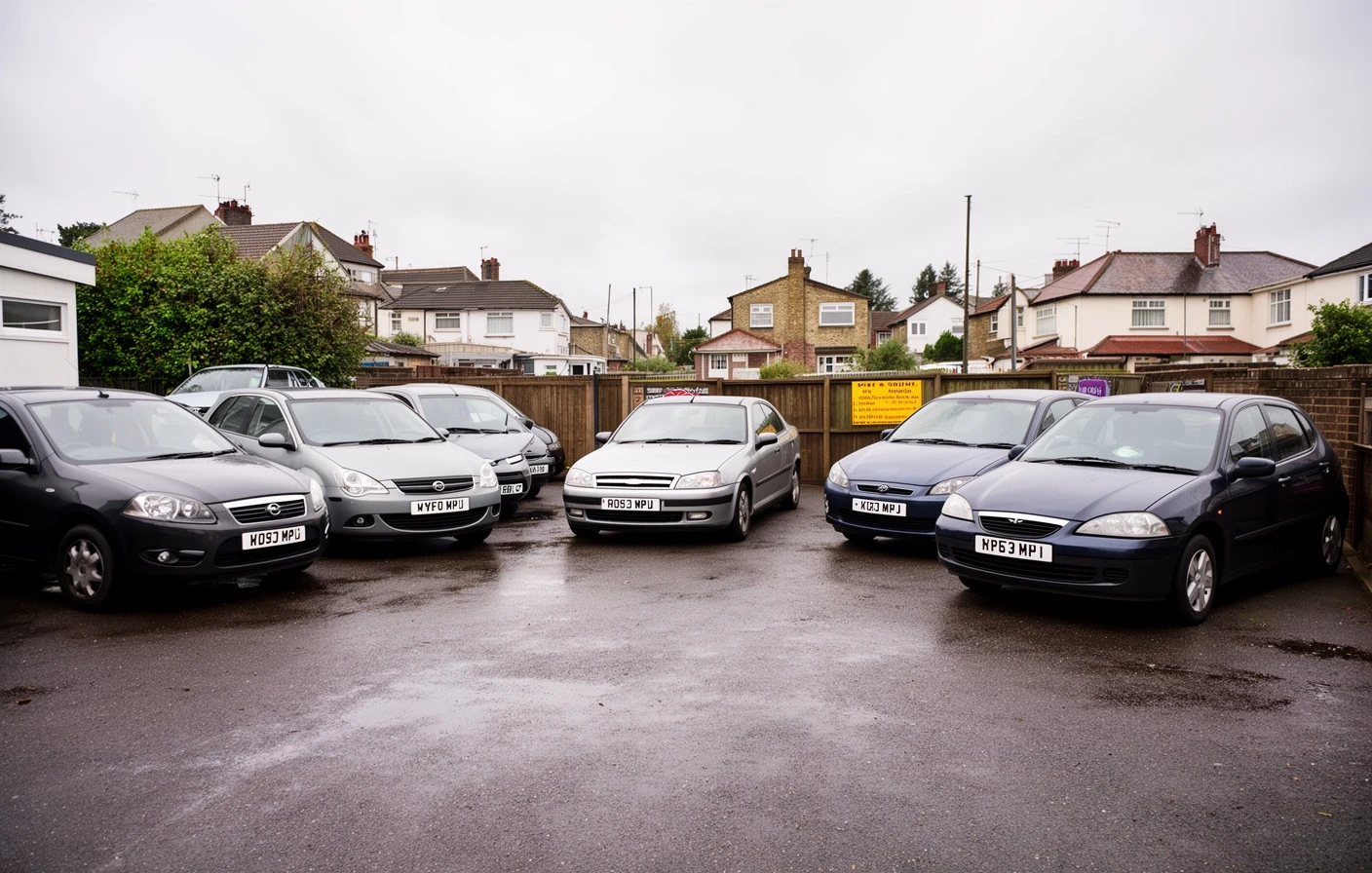
Vehicles & motoring
The car is the second biggest thing most people buy, and the paperwork is the thinnest
A house purchase comes with a conveyancer, a survey and a chain of correspondence. A twelve thousand pound car comes with an invoice, an advert nobody kept, and a handshake on a forecourt on a Saturday. When it goes wrong, the argument is almost always about what was said rather than what was written, and that is a fight you lose unless somebody reconstructs the paper trail properly.
We handle the written side of vehicle disputes with dealers and traders. We do not act against private sellers on quality, because the law barely helps you there, and we say that before taking money rather than after.
Six situations we see most weeks
Major fault inside thirty days
Gearbox, clutch, turbo, head gasket, an engine management light that will not clear. Inside the short-term right to reject under section 20 of the Consumer Rights Act 2015 you are entitled to a refund, not a repair, and you do not have to accept a courtesy car and a promise.
The advert did not match the car
One owner that turns out to be four. A full service history that is two stamps and a gap. Mileage that does not agree with the last MOT record. Misdescription is a separate route from quality and it survives well past thirty days.
After thirty days, before six months
The dealer gets one attempt at repair. If that fails, you return to a refund, which may be reduced for the use you have had. Inside the first six months the fault is presumed to have been there at delivery, and it is for the dealer to prove otherwise, not for you to prove it was.
Finance agreements
If the car was bought on hire purchase or a conditional sale agreement, your rights run against the finance company as well as the dealer, and they are the party that actually owns the car. That changes who the letter is addressed to, and it opens the Financial Ombudsman Service as a free route.
Private parking charges
A charge on private land is a claim for breach of contract, not a fine, whatever the envelope says. Keeper liability under Schedule 4 of the Protection of Freedoms Act 2012 only bites if the notice was in the right form and arrived inside the right window. Very often it was not and did not.
Repair and servicing disputes
Work not authorised, work billed twice, a car held until an inflated invoice is paid. A garage can exercise a lien over a vehicle for unpaid authorised work, but not for work you never agreed to, and the difference is usually decided by what was written down at booking.
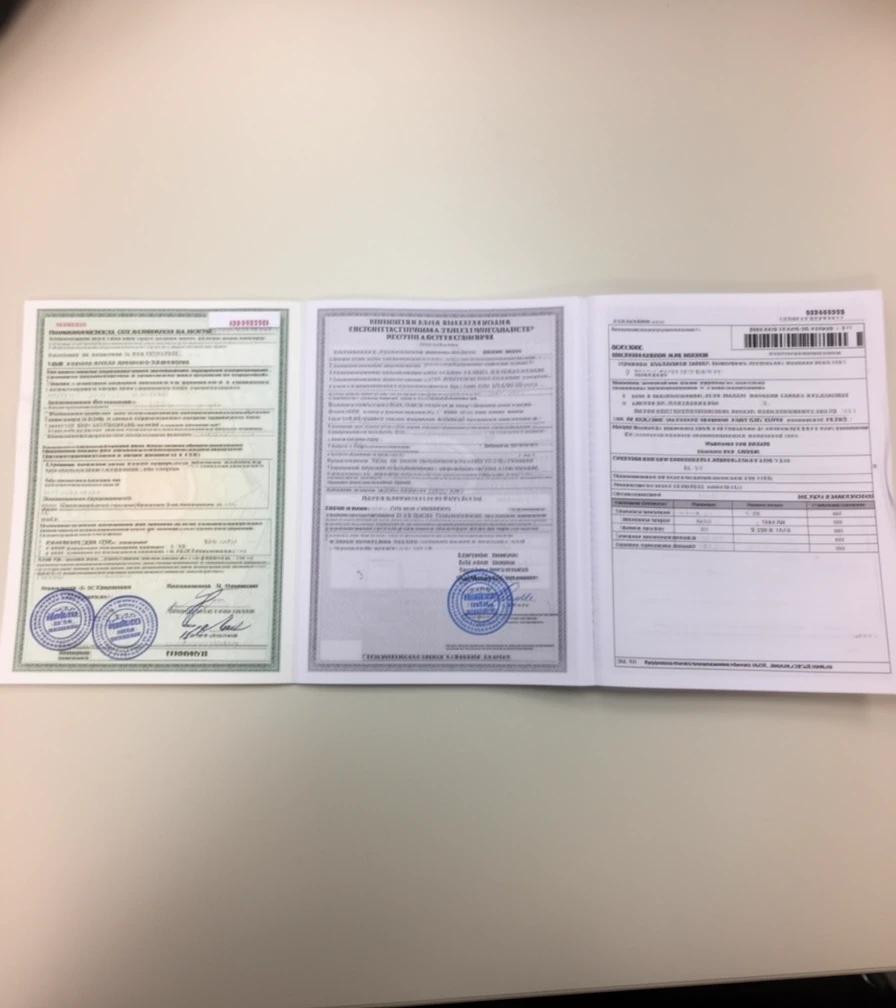
Evidence
Three documents decide most vehicle matters
The advert, as it appeared on the day you bought. Screenshots are fine, and if you did not take one, the listing site or an archive often still has it. This is where misdescription lives.
The V5C and the last two MOT records. Owner counts, mileage history and advisory notes are on public record at gov.uk and they contradict forecourt claims more often than people expect.
The invoice. Whether the seller signed as a trader or a private individual changes which law applies, and a surprising number of trade sales are papered as private ones deliberately.
If you have none of these, say so at the first call. There are other routes, they are just harder, and it is better to know that before a fee is agreed.
What it costs on a vehicle matter
Fixed, quoted in writing, payable before work starts. An independent inspection report, if the matter needs one, is arranged by you with an engineer of your choosing and is not part of our fee. Full fee list and timescales.
Vehicle work we turn down
- Private sales on quality. A private seller must not misdescribe the car, but they owe you nothing on condition. We will tell you this in five minutes rather than sell you a letter that has nowhere to go.
- Anything with a personal injury element. That is regulated work and it belongs with a solicitor. We refer and we do not take a referral fee.
- Speeding, drink driving and any criminal motoring matter. You need a defence solicitor, not a paperwork service.
- Total loss and insurance valuation disputes where the insurer has issued a final response. That goes to the Financial Ombudsman Service, it is free, and you do not need us to write it.
Bring the invoice and the advert to the first call
Fifteen minutes, no charge. If the answer is that you should go to the ombudsman instead of paying us, that is what you will hear.