
Procedure
Six steps, in the order a dispute actually happens
This page is the whole method. There is nothing behind it that we hold back until you have paid, and if you read it and decide to do the thing yourself, that is a perfectly sensible outcome. Most of what we sell is the discipline of doing each step properly and on time, not a secret.
The call, which costs nothing
Fifteen minutes on the telephone. We want three things: what was agreed, what went wrong, and the dates. Not your view of whether the other side behaved badly, which is almost always true and almost never decides anything.
By the end of that call we will have said one of three things. That we can help and roughly what it costs. That you do not need us, with the one step you should take instead. Or that the matter is reserved under the Legal Services Act 2007 and needs a regulated firm, in which case you get a written list of what to ask them and no invoice.
Papers in, read properly
You send the agreement, the advert or listing, the invoice, the messages, and anything you think is unhelpful to you. That last category matters more than the rest. A weakness we find on day two is a problem; the same weakness discovered by the other side in week six is a different situation entirely.
We read the whole thing rather than skimming for the clause that supports you. On a used vehicle that usually means comparing the advert against the V5C and the service record. On a tenancy it means the scheme register before the check-out report.
A written position, before any money is spent on postage
You get a note in plain English: what your position is, which provision it rests on, what the other side will say back, and what we think it is realistically worth. Where the case is thin, the note says so in the first paragraph rather than the last.
This is the point at which some people stop, and we would rather they stopped here than three months later. The note is yours either way.
The letter before action
Four things, in this order: the facts with dates, the legal basis, exactly what you want, and the deadline. A letter that demands everything and specifies nothing gets put in a drawer, and most of the letters we are shown at the first call are exactly that letter.
It goes out in your name with proof of posting or delivery, and the deadline goes in the diary the same day. The Practice Direction on Pre-Action Conduct expects a reasonable period to reply, normally fourteen days on a simple money claim.
The reply, or the silence
An offer gets assessed against the note from step three, not against how annoyed you are. A refusal gets read for what it concedes, which is often more than the writer intended. Silence is recorded, because unreasonable conduct before proceedings is something a judge can take into account.
Where a free route exists we take it first. Regulated finance goes to the Financial Ombudsman Service, a scheme member dealer goes to The Motor Ombudsman, a letting agent goes to their redress scheme. None of those cost you anything and they are frequently faster than a court list.
Papers ready for you to file
Particulars of claim, a schedule of loss that adds up, and numbered exhibits in the order a judge will want them. Everything formatted for Money Claim Online, with a short sheet telling you which box takes which text.
You file it, in your own name, and you pay the court fee directly. We do not conduct litigation and we do not appear at the hearing, because neither is something an unregulated provider may lawfully do. What you have from us is a bundle that does not embarrass you when the district judge opens it.
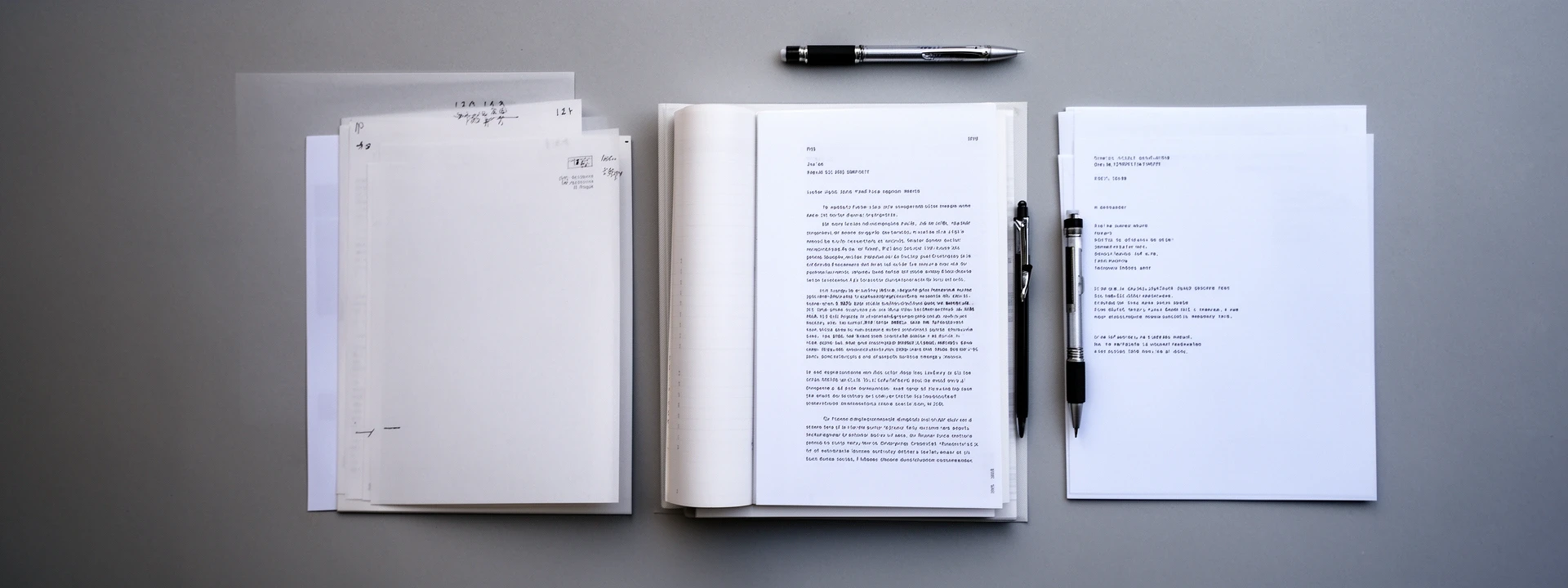
Every file gets a paper diary entry as well as a digital one. Screens fail on the day you need them.
What we need from you, and what we do not
Send these
- The contract, order confirmation or tenancy agreement, all pages
- The advert or listing as it appeared when you bought
- Invoices, receipts and the record of how you paid
- Messages and emails in full threads, not screenshots of the good bits
- Photographs with their original dates intact where you have them
- Anything the other side has sent you, including what you found annoying
Please do not send
- Bank statements beyond the transaction in dispute
- Identity documents. We do not need them and we would rather not hold them
- Recordings of calls made without the other party knowing
- A long chronology written after the event. Send the documents; we will build the chronology
If something is missing we ask once, clearly, in a single email. We do not chase you weekly, and we do not start work on half a file and bill you for guessing.
Step one costs nothing and takes a quarter of an hour
Telephone 020 8972 1652, or send the outline in writing and we will call you back at a time that suits.